In an effort to help Kenya exit the “grey list” placed by the Financial Action Task Force (FATF) in February 2024 due to strategic deficiencies in its anti-money laundering (AML) and counter-terrorism financing (CFT) framework by the self-imposed deadline of June 2026, the Office of the Director of Public Prosecutions has employed different strategies to ensure that illicit proceeds are identified, restrained, and confiscated, and that money laundering ceases to be a low-risk activity.
The Office of the Director of Public Prosecutions in collaboration with the German Agency for International Cooperation (GIZ) under the Strengthening Good Governance in Kenya Project has rolled out of specialized training for prosecutors on the prioritization of prosecution of money laundering offences and anti-money laundering strategies.
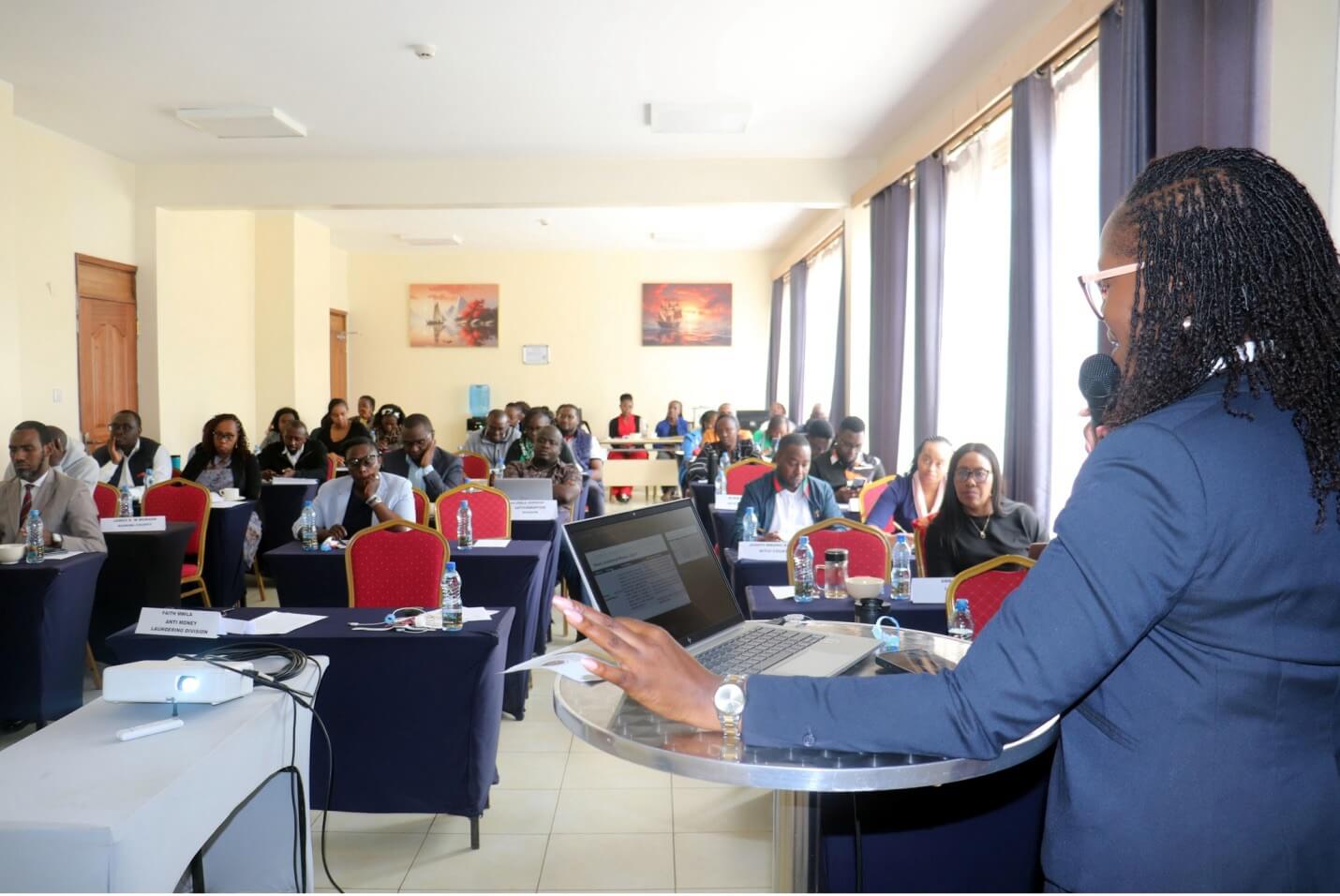
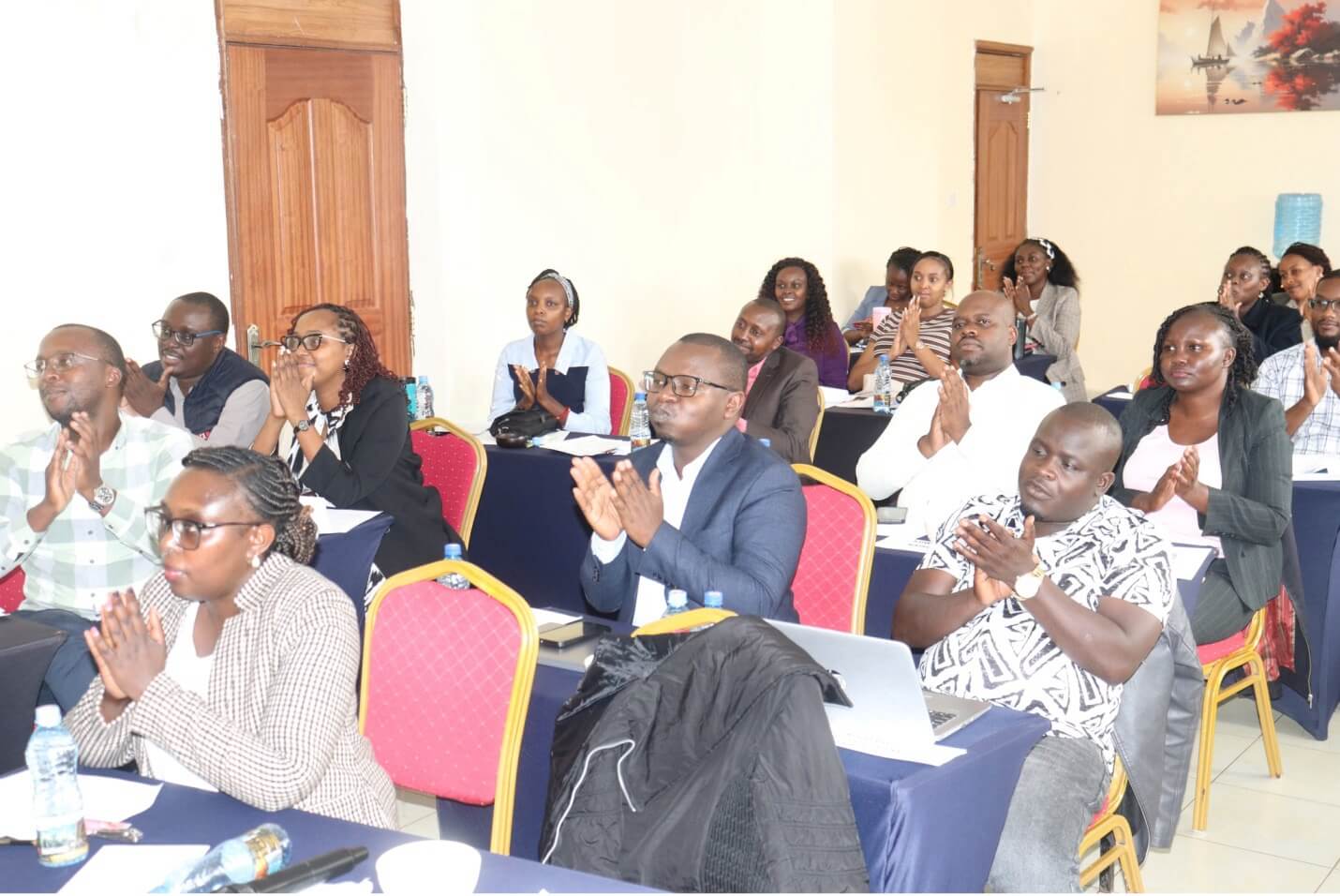
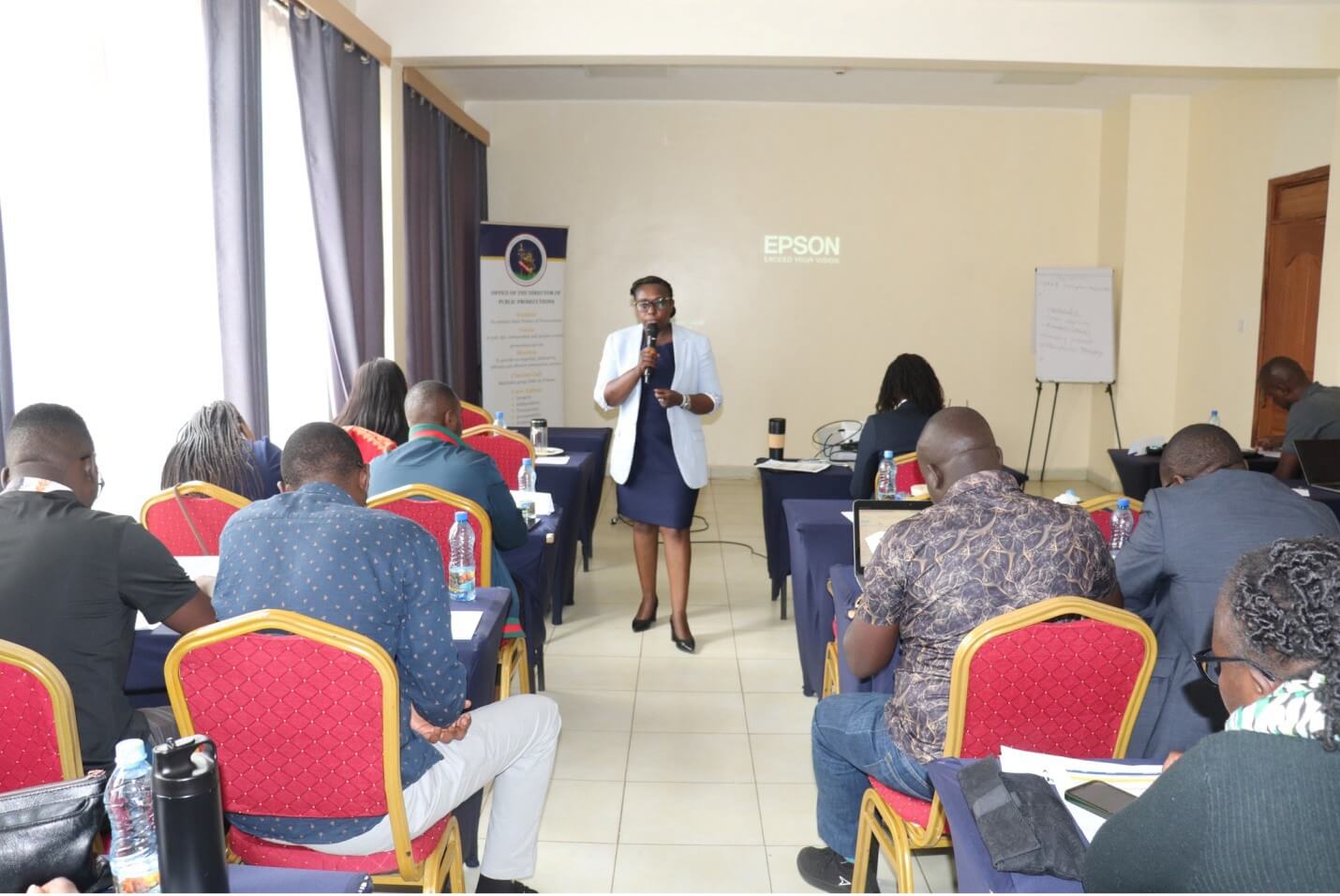
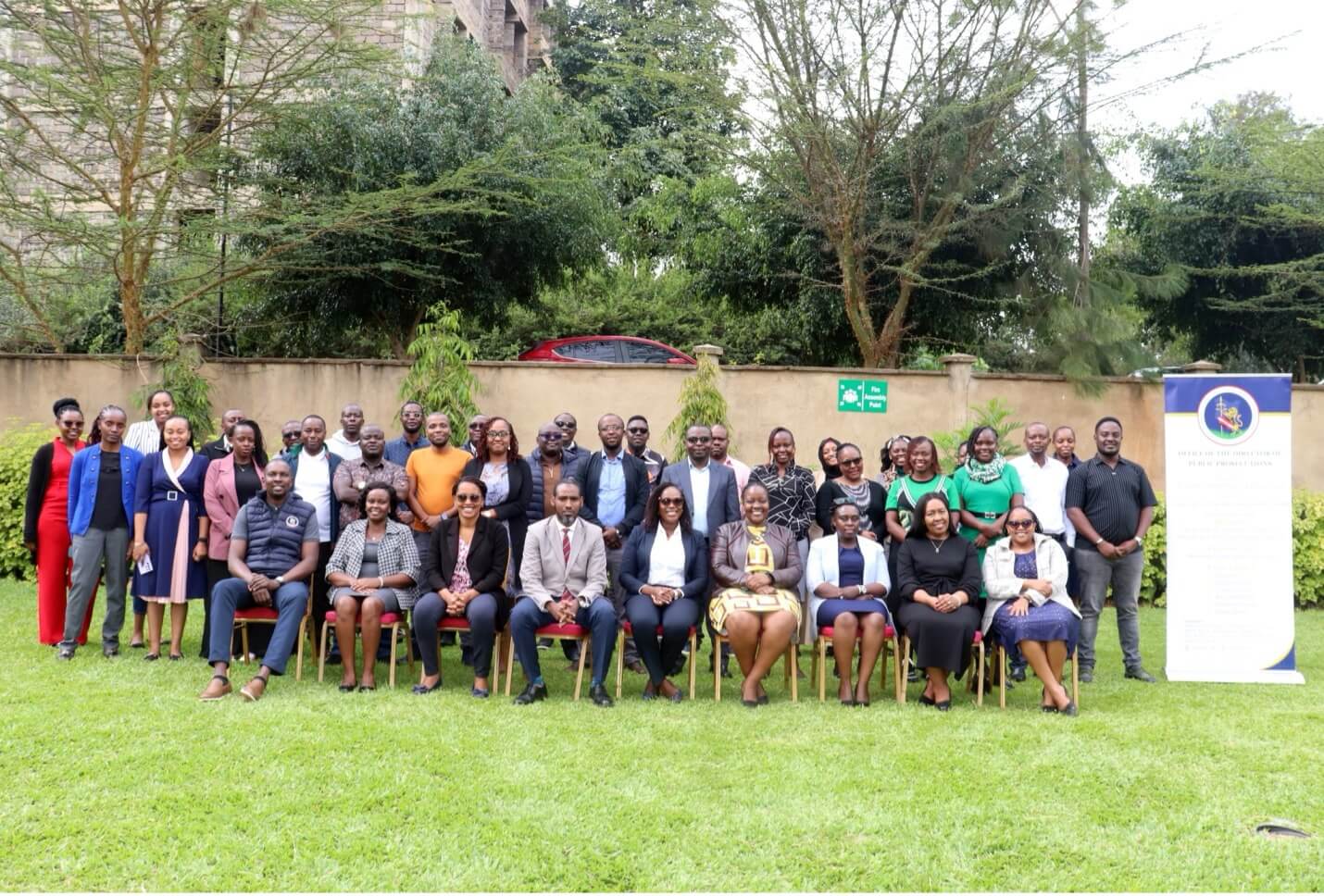
This week, the ODPP concluded intensive 5-day training in Machakos that brought together prosecutors from various stations across the country. The training forms part of Kenya’s broader efforts to address strategic deficiencies in its AML and counter-terrorism financing (CFT) framework by strengthening collective capacity to support financial-investigation-led approaches, making effective use of financial intelligence, framing appropriate and sustainable charges in complex AML cases, and enhance cooperation with key institutions, including the Financial Reporting Centre, investigative agencies, and asset recovery bodies.
Deputy Director of Public Prosecutions Mr. Joseph Gitonga Riungu OGW In a speech read on his behalf by Deputy Director of Public Prosecutions Ms. Mercy Gateru welcomed the participants to the training and emphasized that the training was convened in line with Kenya’s obligations under the FATF (Financial Action Task Force) Standards and the ESAAMLG (The Eastern and Southern Africa Anti-Money Laundering Group) framework.
He noted that the ODPP plays a major role in “following the money”, emphasizing that prosecutors are not only courtroom advocates but also strategic participants in the criminal justice process. Effective AML enforcement, he noted, requires early prosecutorial engagement, careful handling of financial evidence, and sustained collaboration with investigators, particularly where money appears to move, mutate, and disappear across accounts and identities.
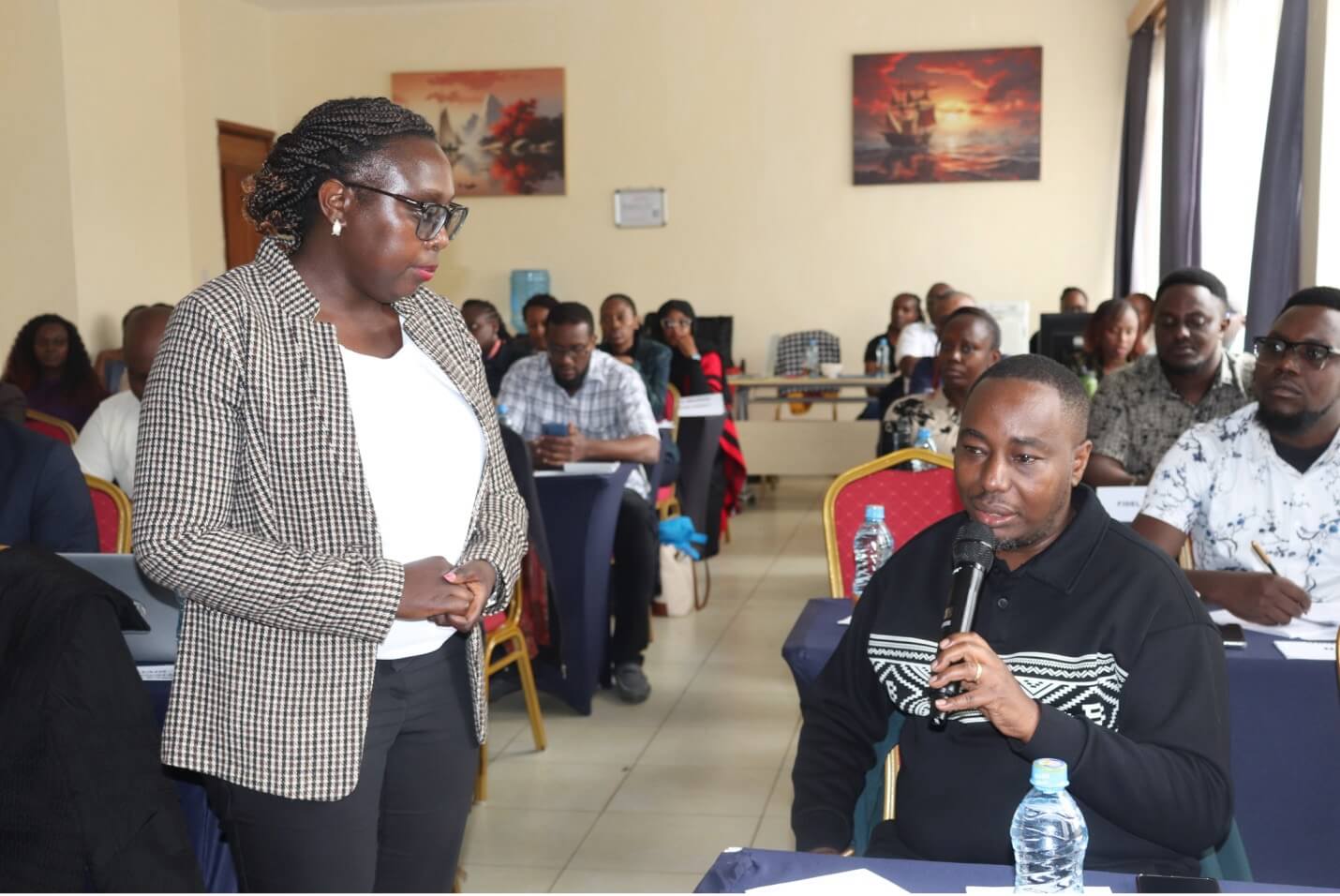
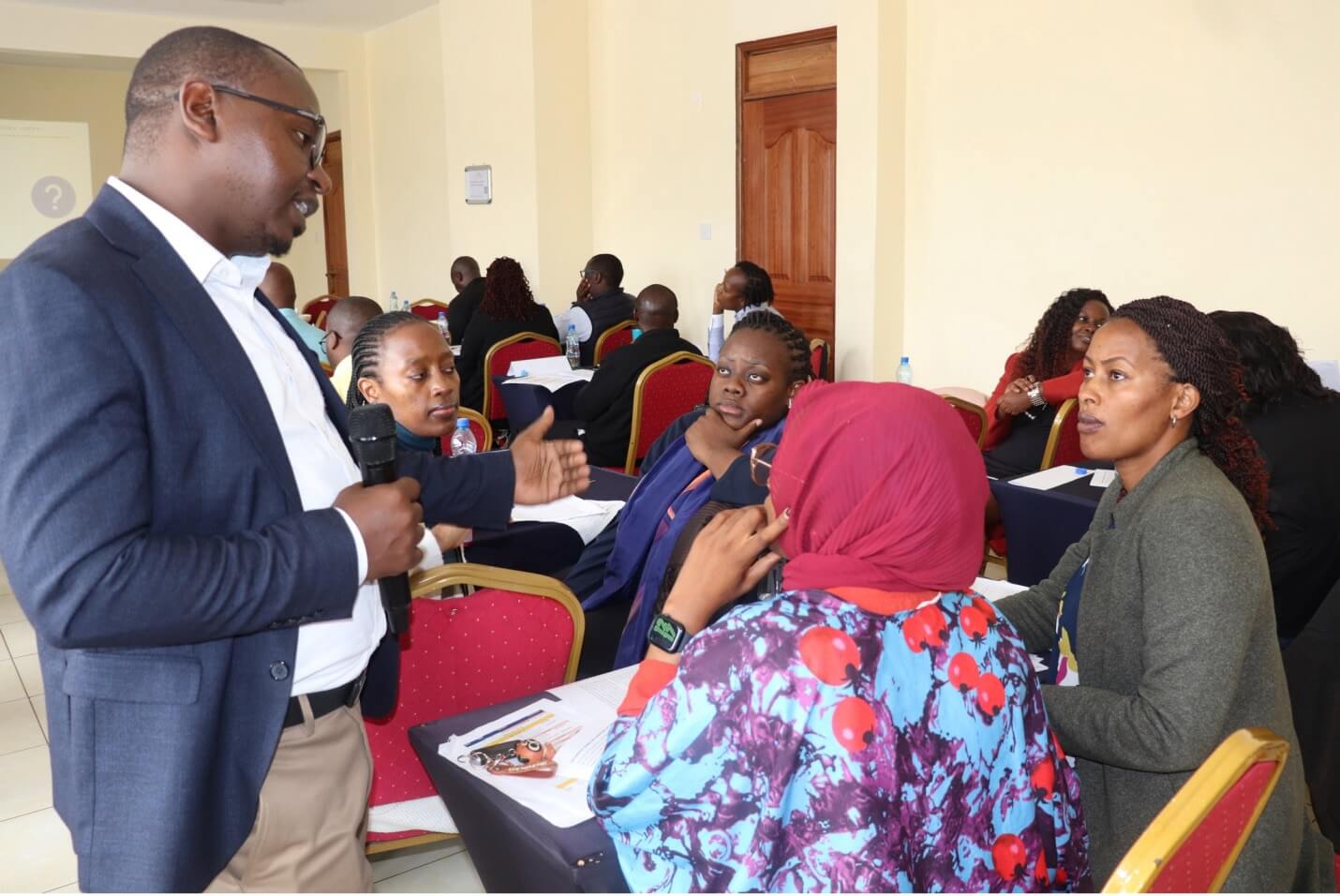
The participants had the opportunity to share experiences, discuss the practical challenges encountered in AML prosecutions and strategies for enhancing money laundering prosecutions.
The trainers incorporated case studies with the aim of providing hands-on exposure to real-world investigative and prosecutorial situations, enabling participants to sharpen analytical skills and refine charge-framing strategies in money laundering and predicate offences.
The Machakos training demonstrates the ODPP’s deliberate institutional effort to raise the quality, consistency, and impact of money laundering prosecutions. By enhancing prosecutorial capacity, the ODPP is contributing directly to Kenya’s broader reform agenda and its commitment to exit the FATF Grey List within the stipulated timeline.
The training reinforced that money laundering is a global, evolving crime with deep historical roots with three stages which include Placement, Layering, and Integration. It was emphasized that prosecutors must understand all three types of money laundering including self-laundering, third-party and stand-alone in order to counter it appropriately.
Lack of statistics in money laundering was identified as a major challenge in fighting it; therefore, coordination between the Office of the Director of Public Prosecutions, the Financial Reporting Centre (FRC), and the Assets Recovery Agency (ARA) is essential for successful prosecutions.