The Director of Public Prosecutions, Renson Ingonga, CBS, OGW, has reaffirmed the Office of the Director of Public Prosecutions’ commitment to combating wildlife crime and other offences against the environment, describing wildlife trafficking as an increasingly sophisticated form of transnational organised crime that thrives on interconnected criminal activities and networks.
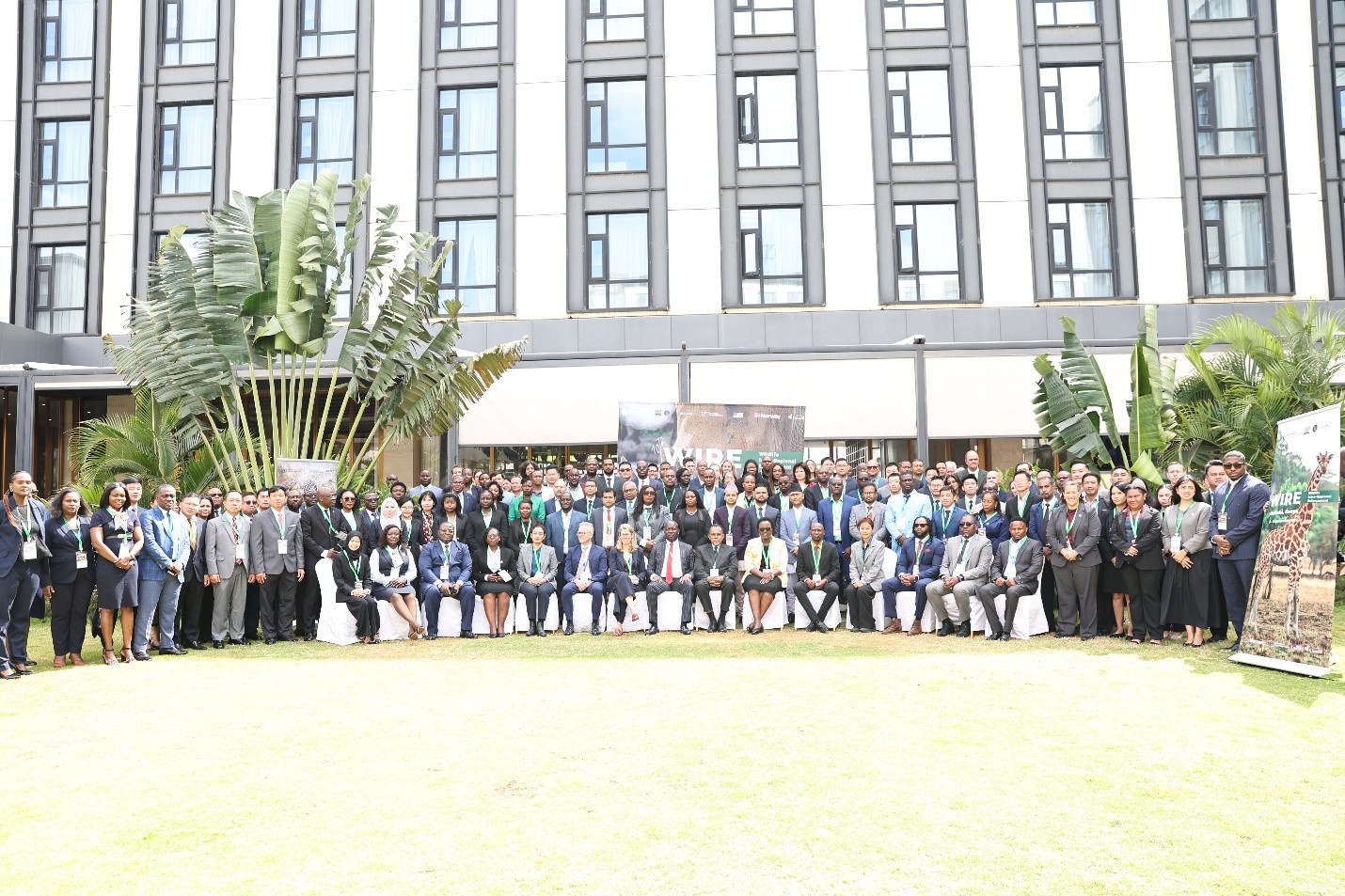
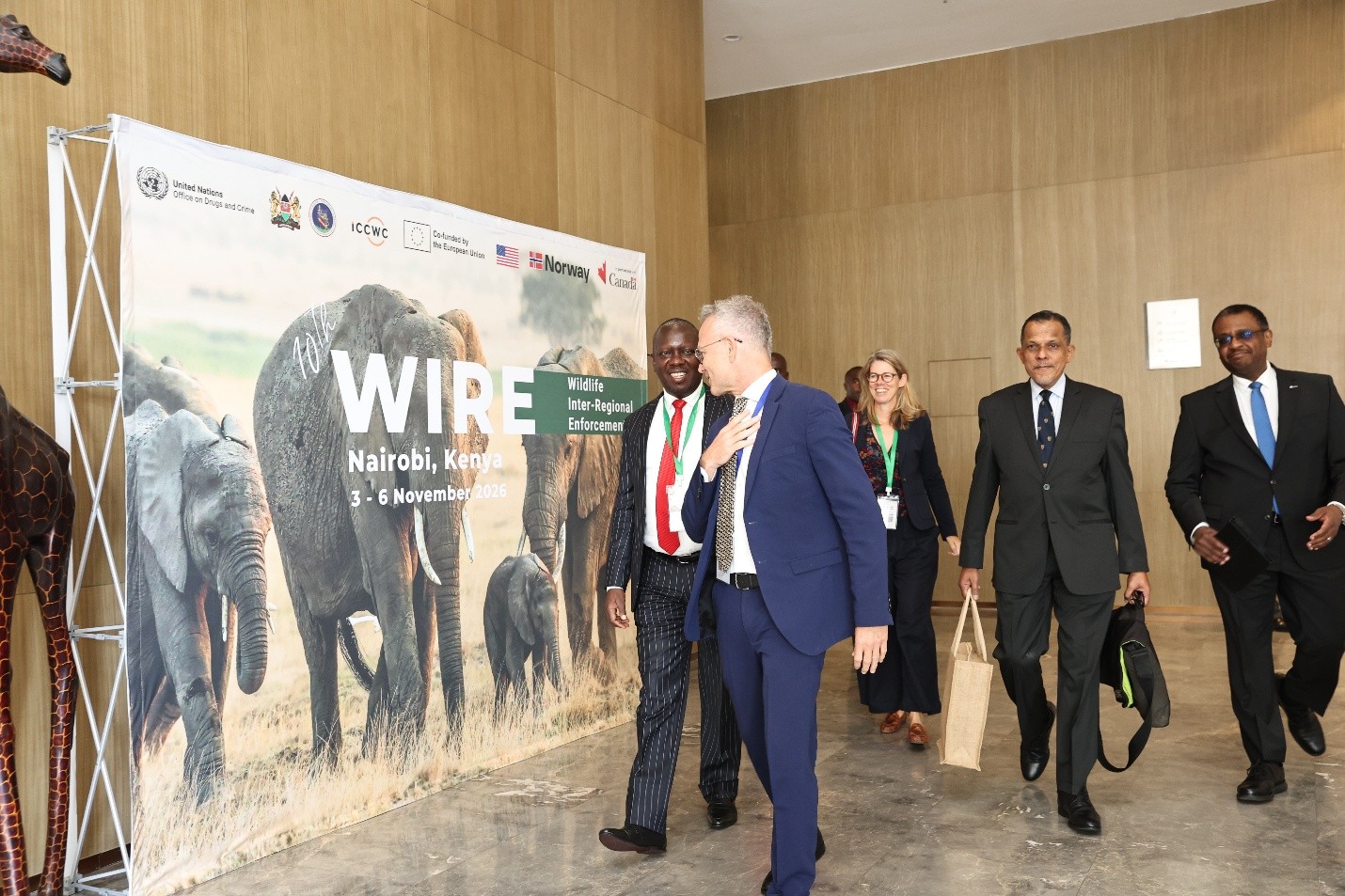
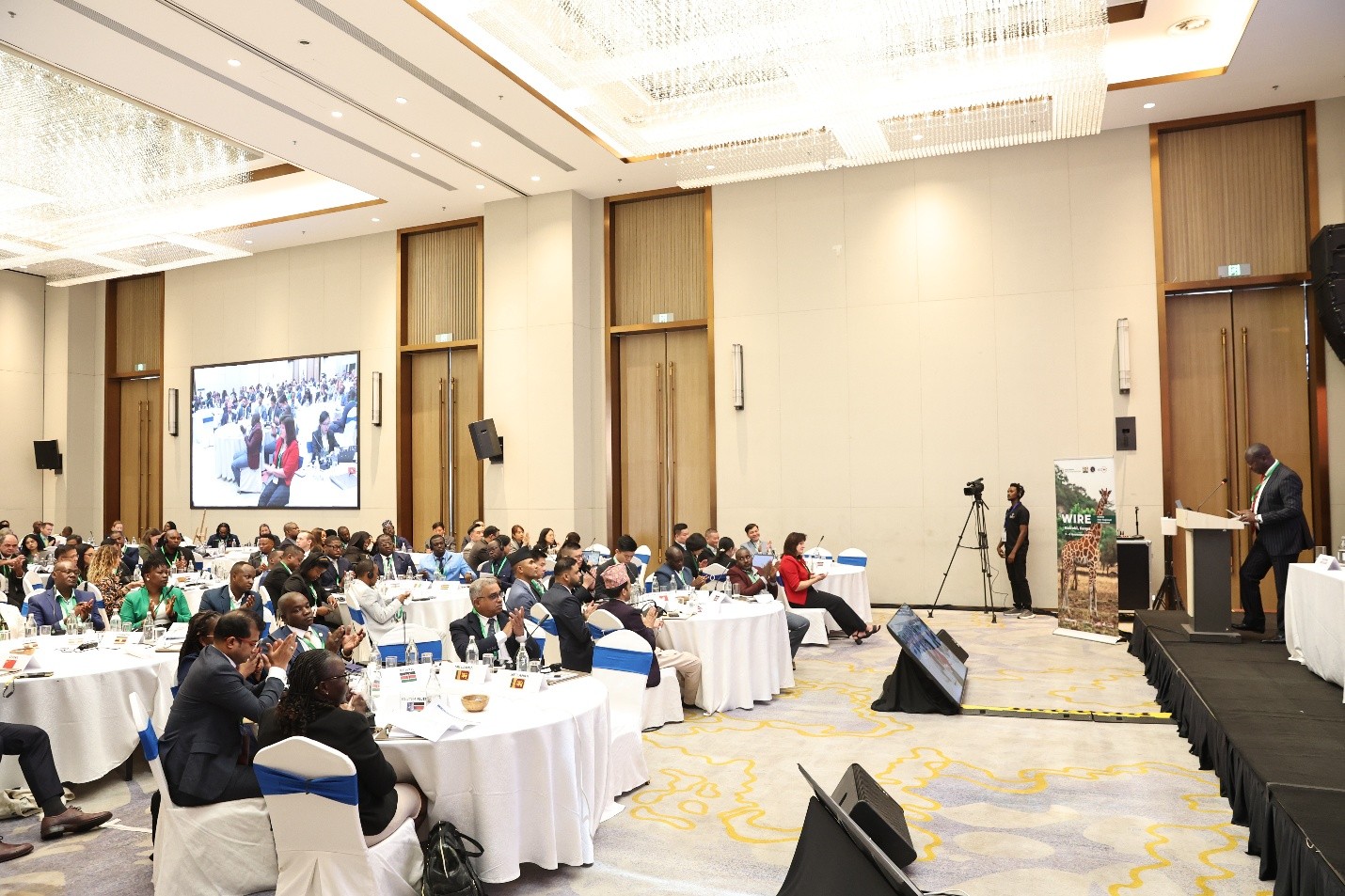
The DPP made the remarks when he officially opened the 𝟏𝟎𝐭𝐡 𝐖𝐢𝐥𝐝𝐥𝐢𝐟𝐞 𝐈𝐧𝐭𝐞𝐫-𝐫𝐞𝐠𝐢𝐨𝐧𝐚𝐥 𝐄𝐧𝐟𝐨𝐫𝐜𝐞𝐦𝐞𝐧𝐭 𝐂𝐨𝐧𝐟𝐞𝐫𝐞𝐧𝐜𝐞, convened by the United Nations Office on Drugs and Crime (UNODC) in partnership with the Office of the Director of Public Prosecutions, Kenya, at Argyle Hotel in Nairobi.
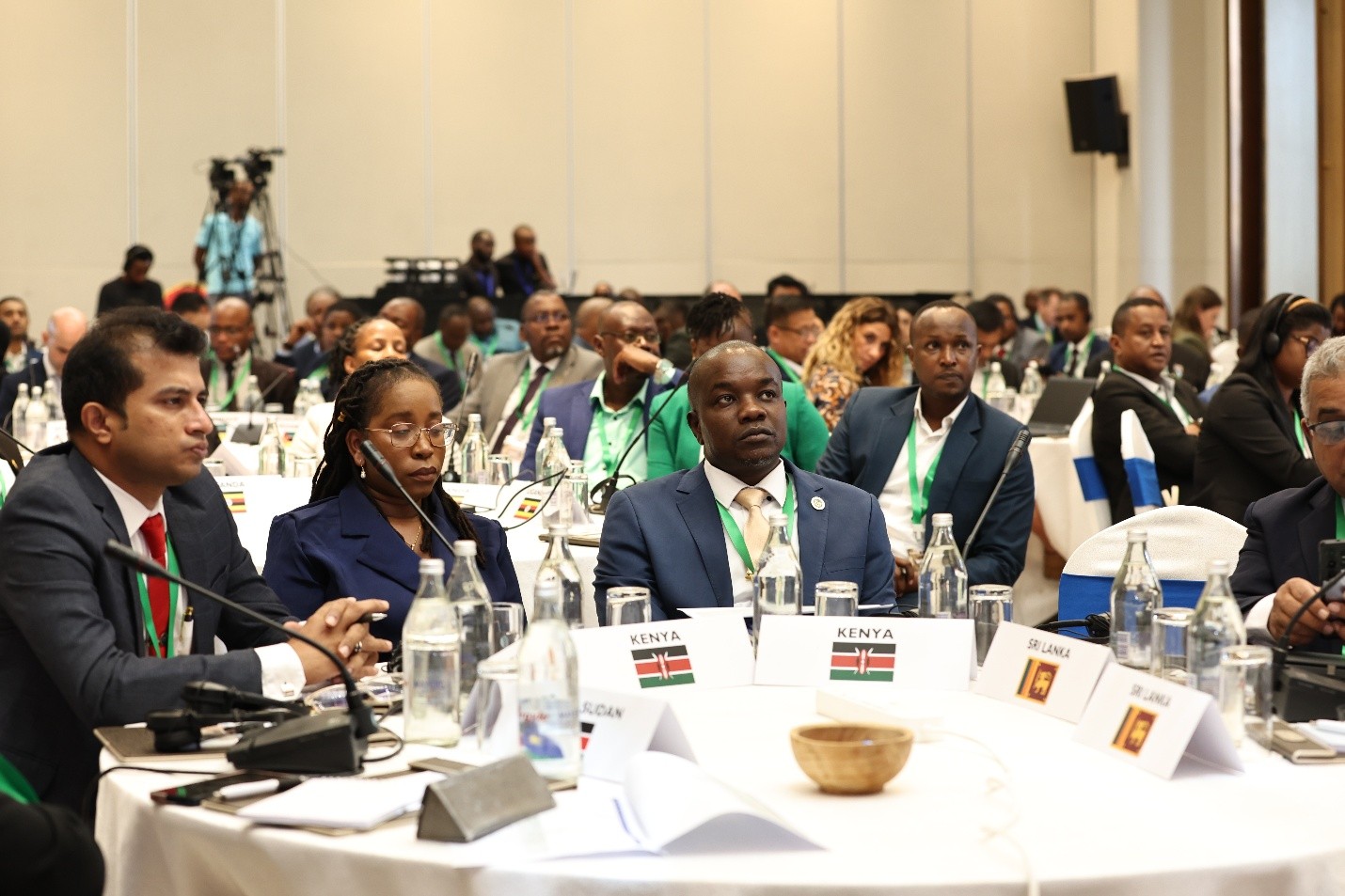
The three-day conference brings together Hon. Parinda Ranasinghe, Attorney General of Sri Lanka, alongside investigators, prosecutors, customs officers and wildlife authorities from across the world to strengthen international cooperation and enhance enforcement efforts against wildlife crime.
The DPP observed that the impact of wildlife crime should not be measured solely by the quantity of illegal animal products seized, but also by the devastating consequences for wildlife, communities and ecosystems, as well as the criminal enterprises that profit from the destruction of the world’s natural heritage.
“Behind every seizure lies a larger story. There is an animal removed from its habitat, a community deprived of its natural heritage, and often a criminal enterprise profiting from both,” he said.
Citing findings by UNODC, Mr. Ingonga noted that more than 140,000 wildlife seizures were recorded across 162 countries and territories between 2015 and 2021, involving approximately 4,000 species.
He said the statistics demonstrate that wildlife trafficking extends beyond iconic species such as elephants and rhinoceroses to encompass reptiles, rare plants, marine species and the ecosystems that sustain life.
The DPP emphasised that environmental protection is a constitutional obligation in Kenya, noting that the Constitution guarantees every person the right to a clean and healthy environment.
He said the commitment must translate into meaningful protection for communities living alongside wildlife, future generations and officers who risk their lives to safeguard the country’s natural heritage.
Highlighting Kenya’s efforts to combat wildlife crime, Mr. Ingonga cited the work of investigators, wildlife officers and prosecutors in pursuing cases involving elephant ivory, pangolins and fraudulent wildlife documentation.
He underscored the importance of international cooperation in dismantling wildlife trafficking networks, citing a December 2025 operation involving authorities in Singapore and South Africa that led to the discovery of a shipment containing 55.4 kilogrammes of rhinoceros horns and other animal parts in Johannesburg, resulting in arrests.
He said the operation demonstrated the critical role of timely intelligence sharing and coordinated enforcement across borders.
“Information must move across borders before criminals do,” he said, calling for stronger partnerships among law enforcement agencies to ensure that criminal networks are disrupted before they can move illicit products and proceeds across jurisdictions.
The DPP further warned that wildlife traffickers are increasingly exploiting digital platforms, encrypted communications and electronic payment systems to facilitate their criminal activities.
He noted that criminal networks conceal illicit wildlife products in legitimate cargo, manipulate permits and exploit financial networks to move proceeds from their illegal activities.
To address these evolving threats, Mr. Ingonga called for a comprehensive approach to investigations and prosecutions that incorporates digital evidence, wildlife forensics, financial intelligence and early engagement between investigators and prosecutors.
He stressed that enforcement efforts must extend beyond the seizure of illegal wildlife products to identify, investigate and prosecute the organisers, financiers and corrupt facilitators behind the criminal networks.
The DPP also highlighted biopiracy as an emerging area of concern, describing it as the exploitation of genetic resources or traditional knowledge without appropriate consent or fair benefit sharing.
He cited reported concerns regarding biological resources collected from Lake Bogoria and allegedly commercialised without adequate benefit sharing, as well as the dispute over patents relating to the traditional uses of India’s neem tree.
He cautioned, however, that biopiracy is distinct from wildlife trafficking and that not every disputed patent constitutes a criminal offence.
Mr. Ingonga called for careful examination of applicable laws and evidence to ensure that legitimate scientific research is protected while upholding the principles of consent, provenance and equitable benefit sharing.
He noted that international frameworks, including the Nagoya Protocol and evolving intellectual property standards, provide important foundations for addressing such concerns.
The DPP outlined the ODPP’s commitment to strengthening prosecution-guided investigations, ensuring reliable chains of custody, enhancing the use of specialist evidence and facilitating timely mutual legal assistance in wildlife crime cases.
He also called for increased capacity among officers involved in gathering evidence on the ground and urged law enforcement agencies to strengthen their response to the links between wildlife crime, corruption, money laundering and organised crime.
Emphasising the importance of depriving criminal networks of the proceeds of their activities, Mr. Ingonga called for the effective application of lawful asset restraint, confiscation and forfeiture mechanisms.
He said successful prosecutions depend on effective partnerships between investigators, prosecutors, conservation agencies and international counterparts.
The DPP urged participants to use the conference to develop practical mechanisms for cooperation, including trusted professional networks, intelligence sharing and concrete requests for mutual legal assistance.
He expressed hope that the engagement would yield stronger collaboration, practical enforcement strategies and a shared commitment to taking decisive action against wildlife trafficking.
“Our wildlife is not an inexhaustible commodity. It is part of our inheritance and a responsibility we hold for generations yet to come,” he said.
The DPP added that successful prosecutions protect more than individual species, affirming the ability of the law to reach those who profit from the destruction of the environment and ensuring that Kenya’s natural heritage is preserved for generations to come.