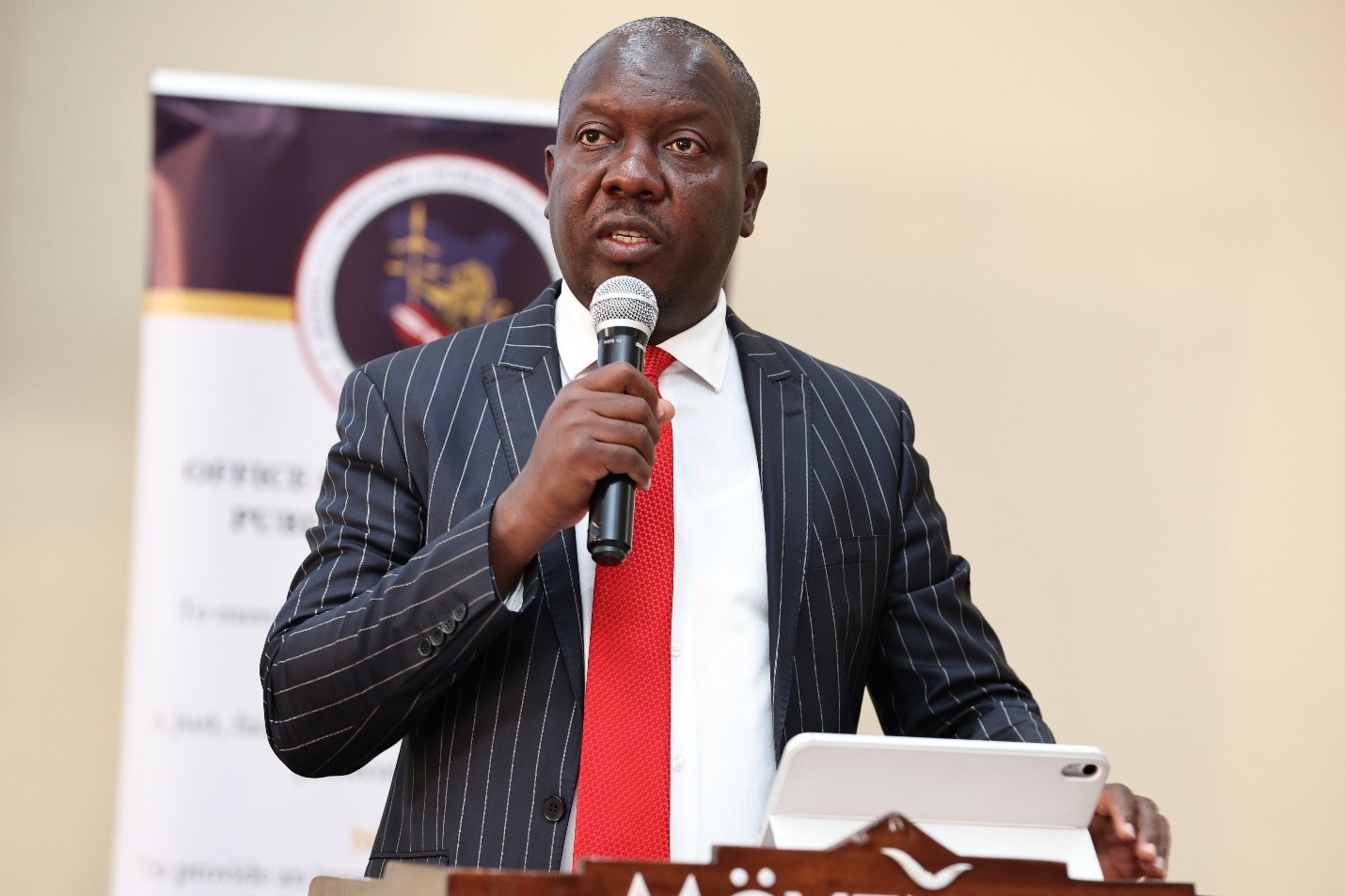
Director of Public Prosecutions Renson Ingonga has called for comprehensive legal and institutional reforms to strengthen Kenya’s response to crimes that affect the environment, warning that such offences have evolved into complex criminal enterprises linked to corruption, organised crime, money laundering and illicit financial flows.
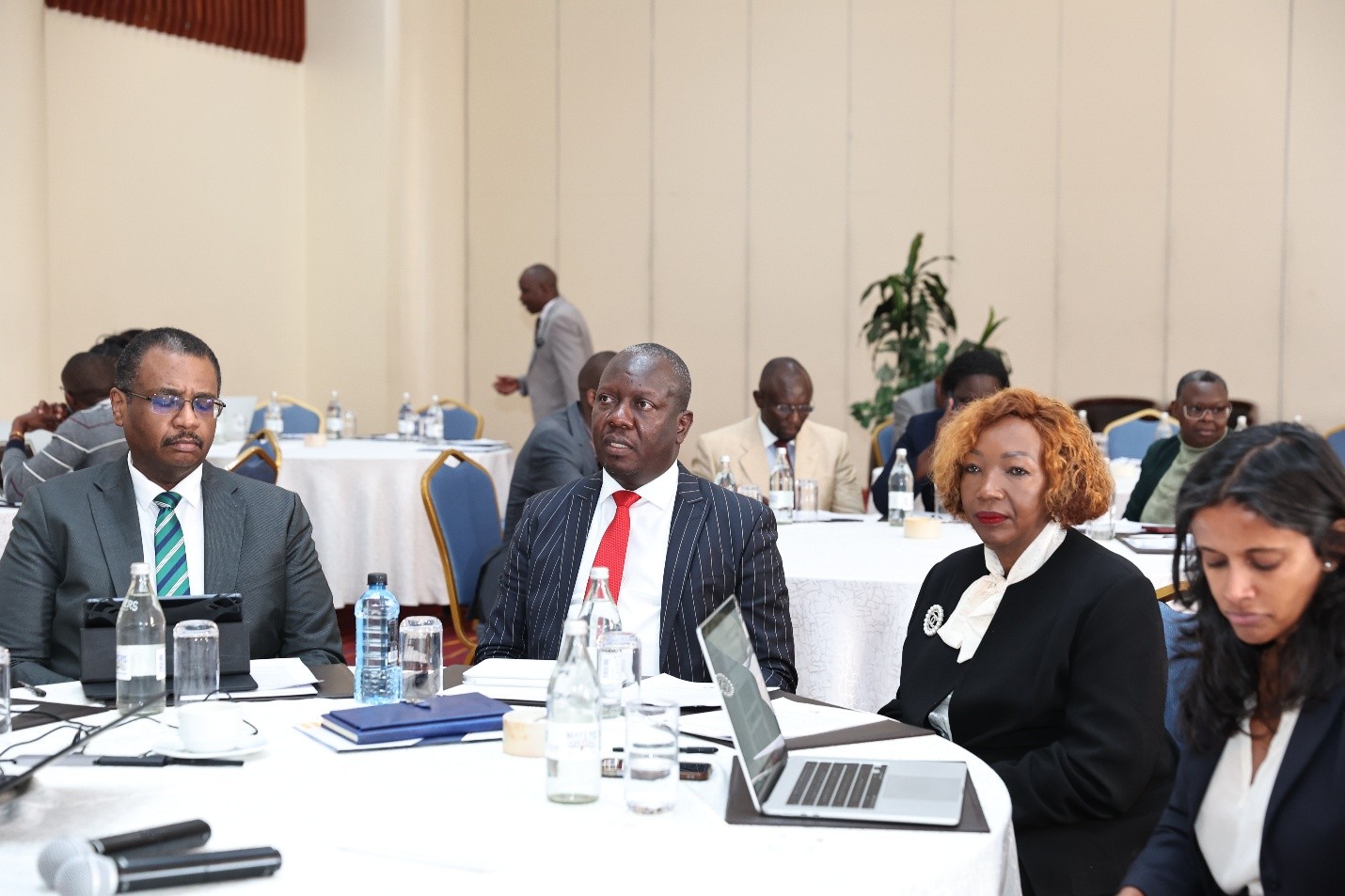
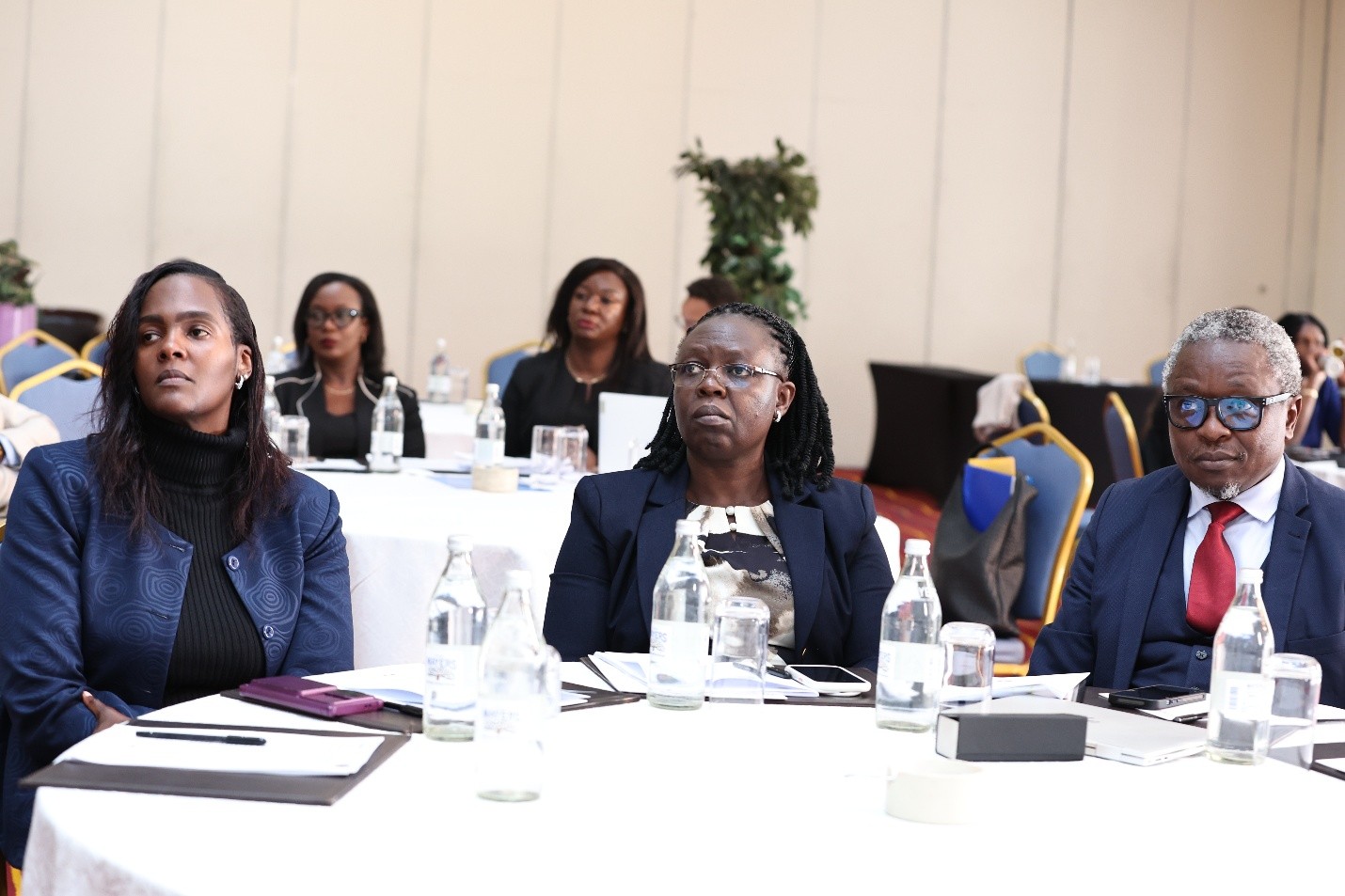
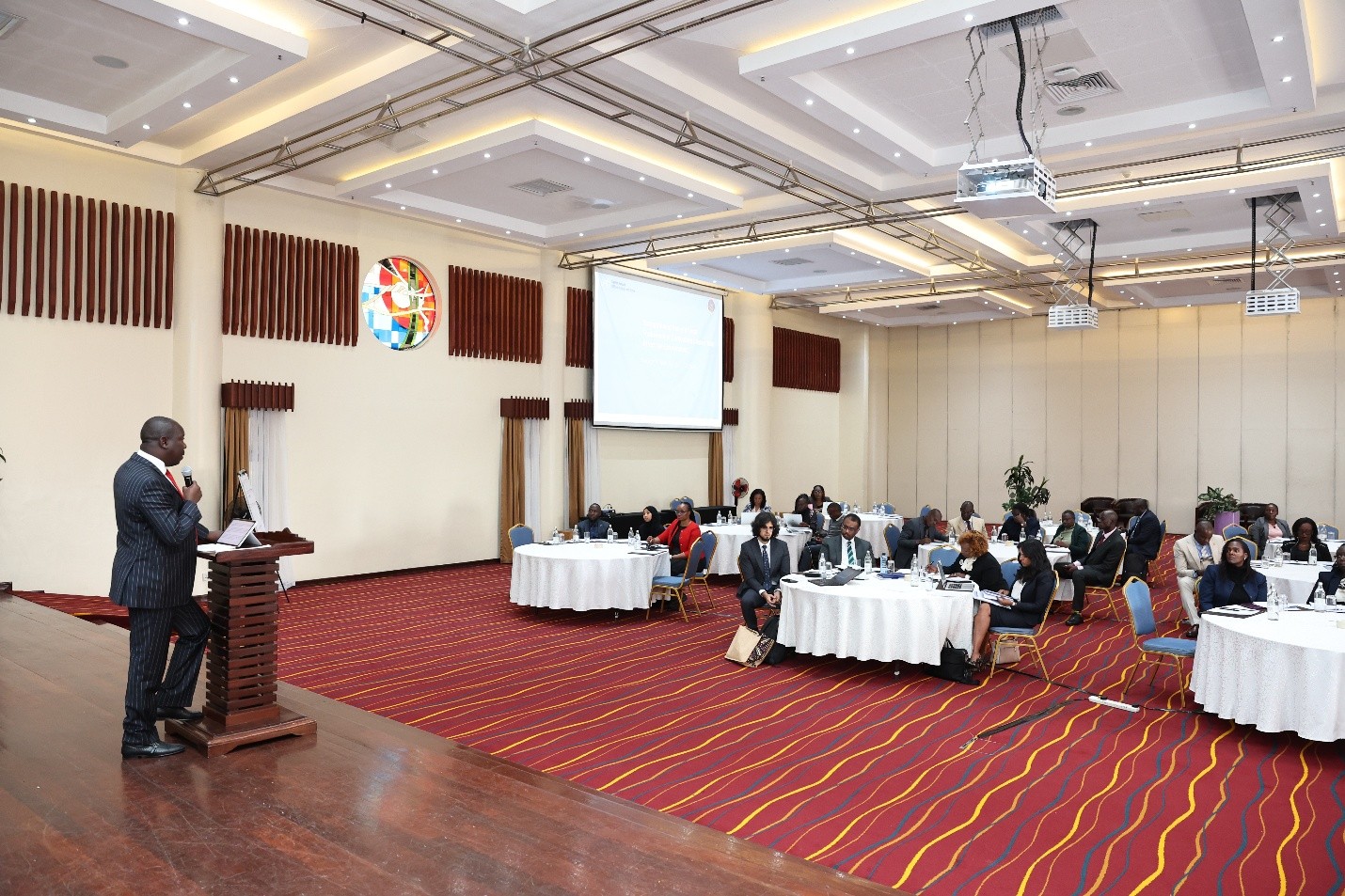
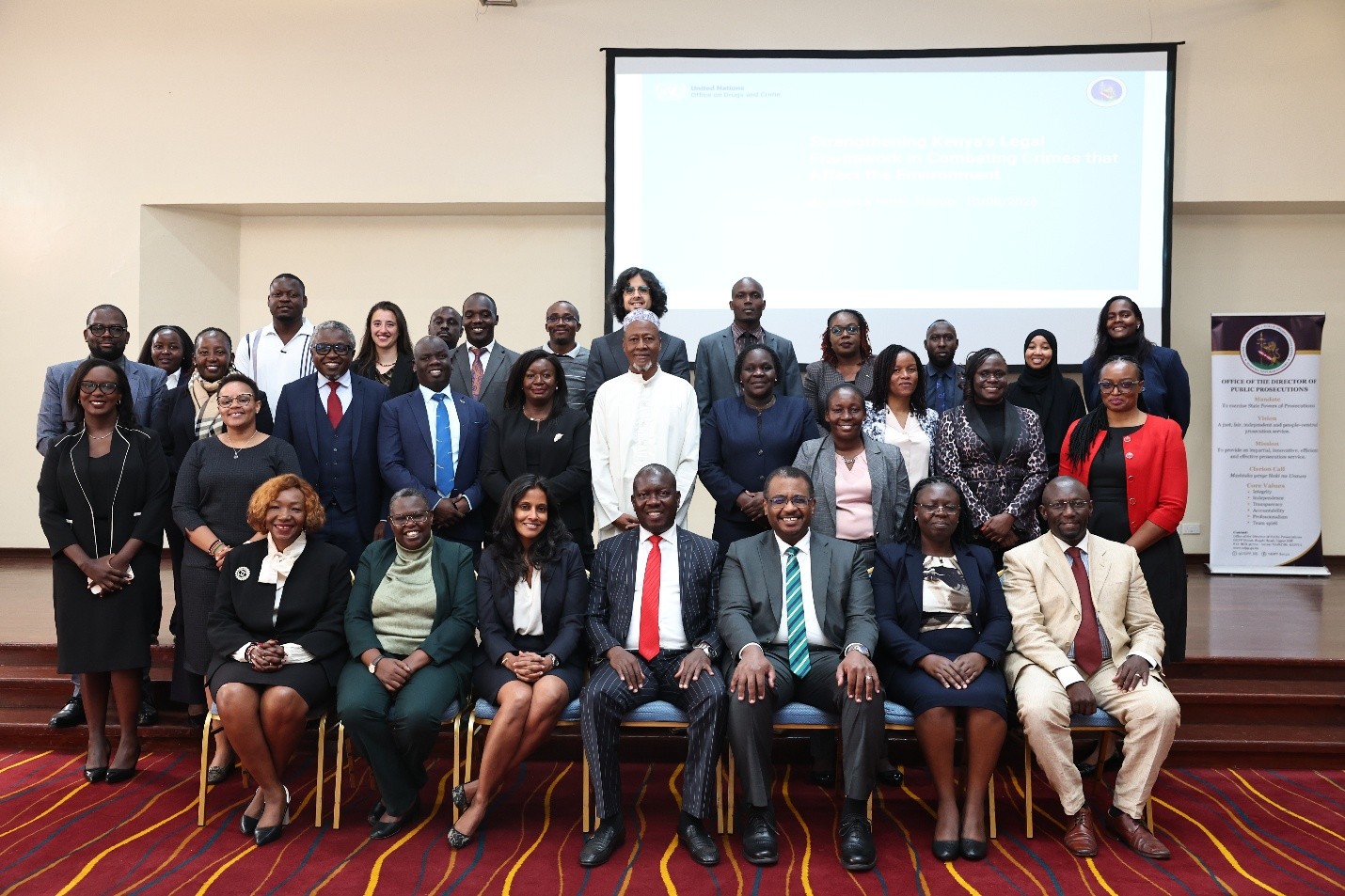
Speaking during the Cross-Ministerial Consultation Review Workshop on Crimes that Affect the Environment held at the Mövenpick Hotel in Nairobi, DPP Ingonga said the forum was aimed at strengthening Kenya’s legal and institutional framework for combating environmental crimes and enhancing coordination among government agencies, regulators, investigators, prosecutors and international partners.
The DPP thanked the United Nations Office on Drugs and Crime (UNODC), through its Global Programme on Crimes that Affect the Environment, for partnering with the Office of the Director of Public Prosecutions (ODPP) in convening the forum. He also acknowledged the technical work undertaken in the baseline legal and institutional assessment that is guiding the ongoing reform discussions.
He emphasized that the environment is not an abstract policy issue but a matter that directly affects the daily lives of citizens.
“The environment is the water that families drink, the air that our children breathe, the soil from which our food is grown, and the forests that protect our water towers,” he said, adding that environmental crimes ultimately threaten public health, economic security and the future of the country.
The DPP noted that the Constitution of Kenya guarantees every person the right to a clean and healthy environment and that environmental governance must be guided by public participation, intergenerational equity, the precautionary principle and the polluter-pays principle.
He observed that environmental crimes are increasingly intertwined with fraudulent licensing, tax evasion, money laundering and the misuse of legitimate commercial supply chains. Illegal wildlife products, timber, minerals, hazardous waste and biological resources, he said, are often moved through systems that appear lawful, making detection and prosecution more difficult.
While Kenya has a broad legislative framework governing environmental matters, Ingonga said the baseline assessment had identified fragmentation, overlapping mandates, inconsistent penalties and enforcement gaps that sophisticated criminal networks can exploit.
He cited the widely reported Mombasa wildlife trafficking case involving 314 elephant tusks weighing approximately 2,152 kilograms, saying successful environmental prosecutions begin long before a matter reaches court. Effective intelligence gathering, proper crime-scene management, scientific handling of exhibits, preservation of the chain of custody and early collaboration between investigators, regulators, technical experts and prosecutors are critical to securing convictions.
Ingonga urged agencies to move beyond the seizure of wildlife trophies and pursue the financiers, document forgers and financial beneficiaries behind environmental crimes through parallel financial investigations, asset tracing and confiscation measures.
The DPP also highlighted emerging threats such as biopiracy, referring to Kenya’s reported experience involving biological resources from Lake Bogoria that were allegedly commercialised without the consent of local communities or the Government. He said such cases cut across environmental law, customs controls, intellectual property, fraud, international cooperation and the rights of indigenous and local communities.
On pollution, Ingonga pointed to the Owino-Uhuru lead contamination case in Mombasa, where residents were exposed to toxic emissions from a lead-acid battery recycling facility. He said the case demonstrated the human cost of weak environmental governance and underscored the need for prevention rather than remediation after harm has occurred.
From a prosecutorial perspective, the DPP said environmental cases must be approached as potentially organised and profitable criminal enterprises.
“Our investigations should follow both the commodity and the money,” he said, calling for financial investigations, beneficial ownership inquiries, examination of commercial transactions and the use of restraint, confiscation and forfeiture mechanisms where appropriate.
He further stressed the importance of international cooperation, including mutual legal assistance, extradition, joint investigations and information sharing, noting that wildlife products, timber, minerals, waste and genetic resources frequently cross national borders.
Ingonga challenged participants to consider whether current laws clearly define offences, provide proportionate penalties, address corporate criminal responsibility and organised criminal networks, support restoration and compensation, and enable communities to report environmental harm safely and participate meaningfully in decisions affecting natural resources.
He said the expected outcome of the forum is a shared understanding of the principal gaps, overlaps and inconsistencies in the current framework and agreement on realistic legislative and institutional reforms supported by clear operational measures, including improved inter-agency protocols, specialised training, prosecution-guided investigations, stronger forensic capacity and enhanced international cooperation.
Reaffirming the ODPP’s commitment, the DPP said the Office would continue working with investigative agencies, regulators, ministries, the Judiciary, county governments, communities and international partners to strengthen Kenya’s response to environmental crimes.
He added that the ODPP Strategic Plan 2023–2027 includes a Sustainability and Green Plan Policy aimed at promoting sustainable practices, protecting the environment and contributing to climate change mitigation efforts.
“The choices we make today will be measured not only by the laws we amend, but also by the condition of the country that we pass on to those who come after us,” the DPP said as he officially opened the consultative forum.